
Welcome to the Southeastern Massachusetts Pine Barrens Alliance (SEMPBA)
The Southeastern Massachusetts Pine Barrens Alliance (SEMPBA) brings people together to protect and restore the globally rare Massachusetts Coastal Pine Barrens—its forests, ponds, wildlife, and the natural systems that sustain our communities.
As an all-volunteer nonprofit, we turn concern for the environment into action through education, community science, advocacy, and partnerships. Our volunteers monitor water quality, survey horseshoe crabs, and help residents understand and care for the region’s remarkable habitats. Local, state, and federal grants help us connect community knowledge and volunteer energy with scientific expertise to advance conservation.
Our Community Conservation Center at Plymouth’s Center Hill Preserve is a gathering place for learning and participation. Through workshops, guided walks, volunteer training, and shared water-testing equipment, we give people practical ways to contribute to the stewardship of the places they love.
We welcome your participation—whether you want to volunteer, share your expertise, explore a partnership, or simply learn more. You don’t need a background in conservation to make a difference. Get in touch and help us care for this extraordinary region.
SEMPBA Joins the Plymouth Stewardship Alliance (PSA)
An organization whose mission is to see environmental stewardship integrated into all activities that shape Plymouth’s future. Our mission is to create a livable community for all by leveraging public engagement to protect land, water, and air.
For the latest PSA news visit the PSA on Facebook.
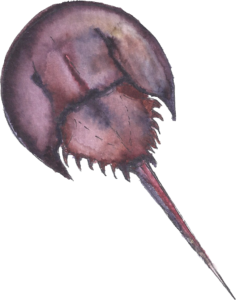 A Future for Horseshoe Crabs
Horseshoe crabs help sustain the rich web of life along our shores. SEMPBA combines volunteer surveys, public education, and advocacy to protect these ancient animals and support their recovery. Join us in working toward a future with more horseshoe crabs on Massachusetts beaches.
Learn more and get involved
Visit Horseshoe Crab Advocates at HorseshoeCrabs.org
On Facebook visit: Horseshoe Crab Advocates

Every spring, Atlantic horseshoe crabs (Limulus polyphemus) return to the beaches of the U.S. East Coast to mate and, in the case of females, lay tens of thousands of eggs.
The Southeastern Massachusetts Pine Barrens Alliance has participated in the Massachusetts Division of Marine Fisheries (MDMF) Spawning Horseshoe Crab Survey on Plymouth’s Long Beach since 2018. The information we compile is used by the MDMF, along with data from other sites around the Commonwealth, to help determine horseshoe crab fishing and management regulations.
2026 Horseshoe Crab Survey: Just 76 Sightings
SEMPBA volunteers completed the 2026 spawning horseshoe crab survey season on Plymouth’s Long Beach, recording just 76 sightings, including only 19 females. These results underscore the importance of continued monitoring and conservation efforts to support horseshoe crab recovery.
Thank you to everyone who contributed time to this year’s surveys.
Learn more about our work and how you can help.
Contact SEMPBA at sharl@horseshoecrabs.org to learn how you can become involved in the 2027 survey.

SEMPBA and DCR Seasonal Forestry Internship
SEMPBA is proud to be in partnership with the Massachusetts Department of Conservation and Recreation (DCR) to provide a paid internship position designed to inspire careers in the fields of consulting forestry, service forestry, forest health and environmental advocacy.
__________________________________________________________
Protecting Plymouth’s Water Resources
Subterranean Resilience: Predicting, Assessing and Mitigating Saltwater Intrusion study brought together UMass Amherst researchers and a dozen local environmental and civic organizations to better understand Plymouth’s vulnerability to saltwater intrusion and raise public awareness of threats to water quality.
Supported by a Municipal Vulnerability Preparedness (MVP) Action Grant, the project combined scientific research with community education. It also established two lasting resources: SEMPBA’s community water-testing station, which supports ongoing volunteer monitoring, and One Water, a digital chronicle of local water projects and programs. OneWater is a collaborative community website created by scientists at the Living Observatory, focused on protecting, monitoring, and learning about the connectivity of water resources in Plymouth and beyond.
Visit the Living Observatory OneWater Project Here
Read the final report: Saltwater Intrusion Vulnerability Assessment in Plymouth, MA: Compounding Effects of Sea Level Rise on Water Quality and Aquifer Sustainability. University of Massachusetts Amherst Hydrogeology Group, October 2023.
Authors: Alexander Kirshen, Carly Lombardo, David Boutt, Daniel Corkran, Brendan Moran, and Rachel King.
Native Plants Recommended for Homeowners and Landscapers
